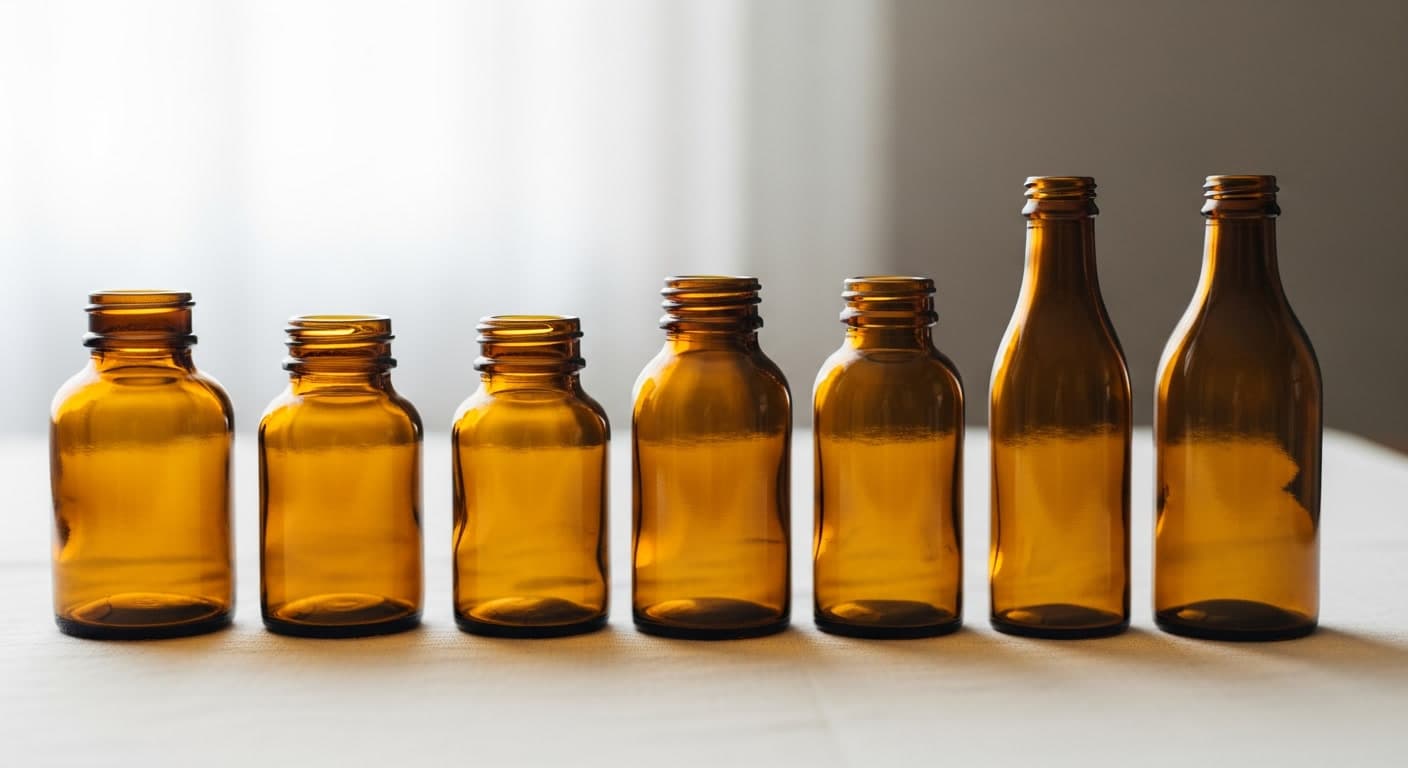
The supplement industry for hair loss is enormous and mostly noise. Biotin products dominate pharmacy shelves despite minimal clinical evidence for hair growth in non-deficient individuals. Meanwhile, options with better evidence sit quietly on ingredient lists that most buyers never read. This guide ranks 10 common hair loss supplements by strength of clinical evidence, so you can spend your time and money on what actually has data behind it.
The honest caveat first: no supplement approaches the evidence quality of finasteride or minoxidil. If you are dealing with androgenetic alopecia, supplements are adjuncts at best. But in the context of a complete approach, the right supplements address reversible causes and reduce inflammatory co-factors that compound genetic loss.
TL;DR
- Iron (ferritin repletion) and vitamin D have the strongest evidence for reversing deficiency-related shedding.
- Saw palmetto has the best evidence among plant-based DHT inhibitors, though effect size is smaller than finasteride.
- Biotin only helps if you are genuinely biotin-deficient, which is rare and requires a blood test to confirm.
- Zinc, omega-3 fatty acids, and protein each address specific hair-relevant deficits when present.
- Supplements work best as part of a tracked protocol where you can see whether density is responding over 12-16 weeks.
Important
This article is educational and not medical advice. If you are worried about sudden shedding, scalp symptoms, or side effects, talk to a licensed clinician.
Tier 1: strong evidence for deficiency correction
1. Iron (ferritin repletion)
Iron deficiency is the most clinically significant nutritional cause of hair shedding, particularly in premenopausal women. Rushton (2002) in the British Journal of Dermatology found that ferritin below 30 ng/mL significantly impairs hair follicle cycling and increases telogen shedding. Correcting iron status reduces shedding and improves hair quality in deficient individuals within 3-6 months. Get ferritin tested specifically, because serum iron alone is less informative.
2. Vitamin D
Vitamin D receptors are expressed in hair follicle keratinocytes, and vitamin D receptor knockout mice develop alopecia. Observational data consistently shows lower vitamin D levels in people with androgenetic alopecia and alopecia areata than in matched controls. Supplementation to achieve serum 25(OH)D levels above 30-40 ng/mL reduces deficiency- related shedding, though it does not reverse androgenetic alopecia. See the full breakdown of vitamin D and hair shedding timeline.
Tier 2: moderate evidence for DHT inhibition or growth support
3. Saw palmetto
Saw palmetto (Serenoa repens) inhibits 5-alpha reductase and has been compared to finasteride in small head-to-head trials. Rossi et al. (2012) in the Journal of Alternative and Complementary Medicine found that 320 mg daily saw palmetto produced hair count improvements in 38% of men, compared to 68% for finasteride 1 mg over the same period. That is a real effect at roughly half the finasteride response rate, and it is meaningful for people who cannot tolerate or choose not to use finasteride. See the full saw palmetto evidence review.
4. Pumpkin seed oil
A 2014 randomized controlled trial in Evidence-Based Complementary and Alternative Medicine by Cho et al. found that 400 mg pumpkin seed oil daily for 24 weeks increased hair count by 40% compared to 10% in the placebo group. The proposed mechanism is partial 5-alpha reductase inhibition. This is one of the better-designed supplement trials in the hair loss field and gives pumpkin seed oil a higher evidence rating than most alternatives. See more in the pumpkin seed oil guide.
5. Zinc
Zinc is essential for keratin synthesis and 5-alpha reductase function. Low zinc levels are associated with increased hair shedding, and supplementation in deficient individuals reduces telogen effluvium within 8-12 weeks. Zinc does not have direct DHT-blocking activity, but it appears in multiple hair loss metabolic pathways. For the full evidence breakdown, see zinc and hair loss.
Tier 3: useful in specific contexts
6. Omega-3 fatty acids
Omega-3 fatty acids (EPA and DHA) reduce systemic inflammation and affect prostaglandin pathways involved in hair follicle cycling. A 2015 study in the Journal of Cosmetic Dermatology found omega-3 supplementation improved hair density and reduced shedding over 6 months. The effect is modest but consistent and has a beneficial systemic profile beyond hair, making it a reasonable addition. See omega-3 and hair growth for dosing context.
7. Collagen
Hydrolyzed collagen supplements provide glycine, proline, and hydroxyproline, amino acids involved in collagen synthesis in the dermis that anchors follicles. Small studies show improvements in hair thickness and reduced breakage. The evidence is better for nail and skin than for active hair loss, but collagen is benign and broadly supportive of scalp tissue health.
8. Protein (dietary)
Hair is approximately 95% keratin, a protein. Diets providing less than 0.8 g protein per kg of body weight per day can compromise follicle function. Crash diets and rapid weight loss frequently trigger telogen effluvium through combined protein and caloric restriction. Protein is not a supplement in the traditional sense, but inadequate intake is a common and fully reversible cause of increased shedding.
Tier 4: weak or conditional evidence
9. Biotin
Biotin (vitamin B7) is the most marketed hair supplement and has the weakest evidence for hair loss in non-deficient individuals. True biotin deficiency causes brittle hair and nails, and supplementation in deficient people resolves this. But biotin deficiency is uncommon, and most people get adequate biotin from eggs, nuts, and grains. High-dose biotin supplementation does not improve hair density in people with normal biotin levels. It can also interfere with thyroid and cardiac biomarker lab tests.
10. Melatonin (topical)
Topical melatonin (0.1%) has been studied as a hair growth agent, with a 2004 study by Fischer et al. showing reduced telogen rates and a 2012 multicenter trial reporting increased anagen hair rates after 90 days. The mechanism appears to involve antioxidant activity at the follicle and influence on hair cycle timing. Evidence is preliminary but enough to place it above biotin on current data.
Common questions
Do hair loss supplements actually work?
For deficiency-related shedding, yes. Iron, vitamin D and zinc supplementation in deficient individuals clearly reduces telogen shedding. For androgenetic alopecia driven by DHT and genetics, supplements alone are not adequate treatment. Saw palmetto and pumpkin seed oil have real but smaller effects on DHT than prescription options. The best approach combines corrected deficiencies with medical management.
Should I take all of these at once?
No, and that approach also makes it impossible to know what is working. Get blood work first to identify actual deficiencies. Start with iron and vitamin D if deficient. Add saw palmetto or pumpkin seed oil if you want a plant-based DHT component. Tracking your density over 12-16 weeks while adding one change at a time gives you interpretable data rather than a pile of supplements with an unknown net effect.
Do supplements work faster than prescription treatments?
No. In deficiency cases, ferritin repletion can reduce shedding within 3-4 months. DHT-blocking supplements typically require the same 6-12 month window as finasteride to show density changes. The practical difference is that supplements have smaller effect sizes, making the signal harder to detect without objective density tracking.
Next step
Before starting any supplement, get a blood panel that includes ferritin, vitamin D, zinc, TSH, and if relevant, free testosterone. This tells you if you are treating an actual deficiency, or just supplementing into the noise. Set a baseline density scan with BaldingAI before your first supplement, and compare at 12 weeks.
Sources: Rushton (2002) British Journal of Dermatology: Nutritional factors and hair loss | Rossi et al. (2012): Saw palmetto vs finasteride in androgenetic alopecia | Cho et al. (2014): Pumpkin seed oil RCT in male androgenetic alopecia.