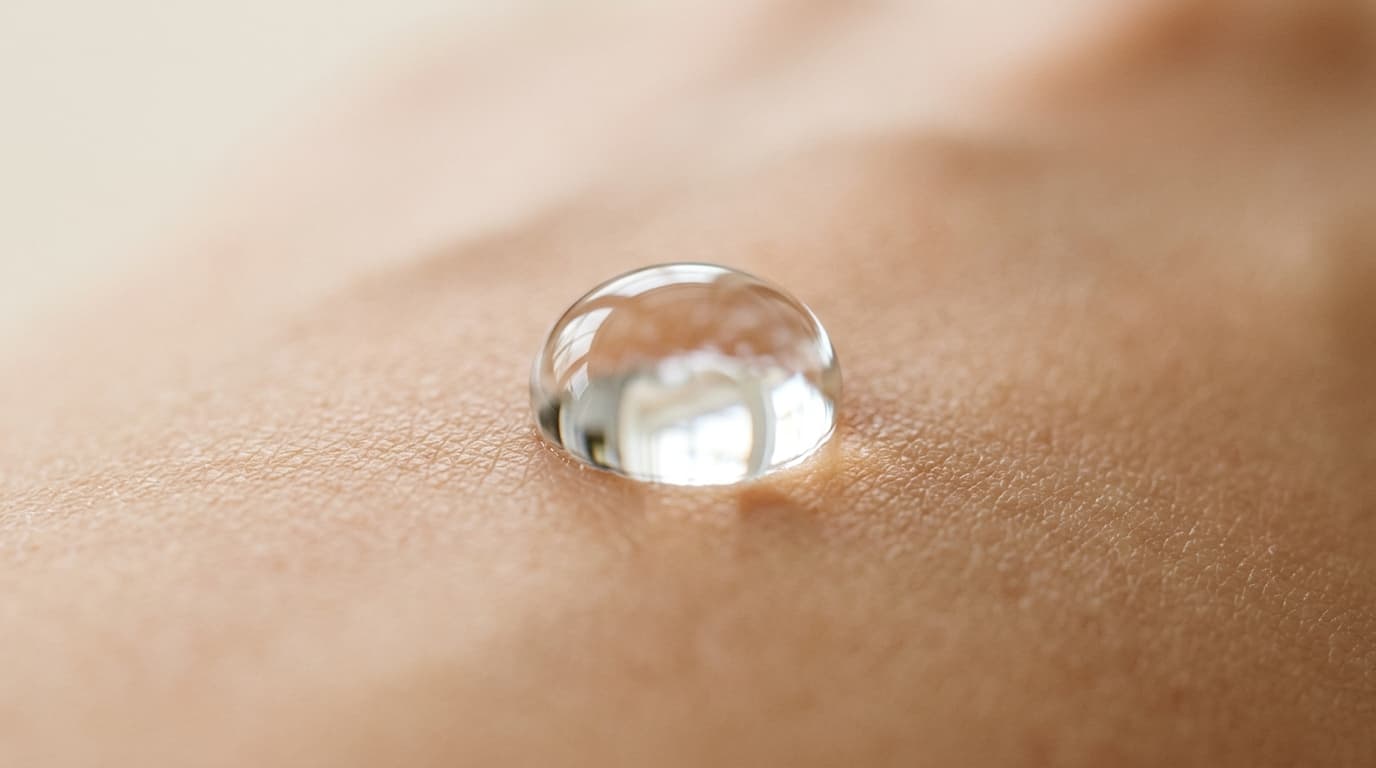


If your hair loss comes with itchiness, redness, or burning, you aren't just dealing with genetics - you might have scalp inflammation. Conditions like seborrheic dermatitis or folliculitis can accelerate shedding. Tracking these symptoms requires a different kind of photography: macro close-ups that show the skin, not just the hair.
TL;DR
- Skin First, Hair Second: Use high-resolution macro shots to document redness, scaling, and bumps.
- Flare Dates: Map your "bad scalp days" against changes in hair products, diet, or stressors.
- Active Ingredients: Log your response to specific active ingredients (Ketoconazole, Salicylic Acid, Coal Tar).
- Clinical Prep: Gather 4 weeks of skin-state data to turn a "subjective itch" into a clear dermatological diagnosis.
Important
This article is educational and not medical advice. If you are worried about sudden shedding, scalp symptoms, or side effects, talk to a licensed clinician.
Why Inflammation is a Hair Loss Accelerator
Inflammation triggers a biological response that can push hair follicles prematurely into the telogen (resting) phase. If you have an itchy or sore scalp (Trichodynia), your body is signaling that the environment for hair growth is compromised. Once the inflammation is resolved, "shed" hair often regrows - but only if the skin barrier is restored.
The Symptom Mapping Table
| Symptom | What to Photograph | Clinical Concern |
|---|---|---|
| Yellow/Greasy Scales | Clumps at the hair base | Seborrheic Dermatitis |
| Localized Redness | The "Perifollicular" skin | Folliculitis / Sensitivity |
| Circular Flaking | Edges of hair loss patches | Tinea Capitis (Fungal) |
The Macro-Photography Protocol
To get photos your doctor can actually use, follow this 3-step setup:
- Step 1: The Part-and-Expose. Use a comb to hold hair away from the most irritated spot. Do not take a photo "through" the hair - expose the skin.
- Step 2: The Direct Flash. Ambient light is too soft to show scaling. Use the rear camera with the LED flash ON. Aim from 8-10cm away for maximum contrast.
- Step 3: The Multi-Zone Baseline. Always take one photo of your "inflamed" zone and one of a "healthy" zone on your scalp for contrast. This helps the AI (and your doctor) see the degree of redness.
Dermatologist Prep Sheet
Before your appointment, ensure your Balding AI log contains:
1. Timeline of Flare-ups:
"My scalp redness peaks 12 hours after using [Product] and lasts for 3 days."
2. Product Interaction Log:
"Symptoms reduced by 40% after 2 weeks of twice-weekly Ketoconazole use."
3. Visual Progression:
Bring 8 high-resolution flash macro photos showing the shift in skin texture over the last month.
Conclusion: Health First, Density Second
We developed these photographic markers because healthy hair cannot grow in a compromised environment. Don't waste money on expensive treatments if your scalp barrier is currently failing. By tracking your scalp health as diligently as your hair count, you ensure your recovery has the stable foundation it needs to succeed.
Related Reading
- Stress shedding recovery: the 8-week protocol
- Finasteride side effects: noise vs. signal
- Treatments for scalp inflammation
- Scientific tracking for hairline changes
Heal Your Scalp
Use Balding AI to document symptoms, map flares, and provide your doctor with the data they need to stop inflammation in its tracks.