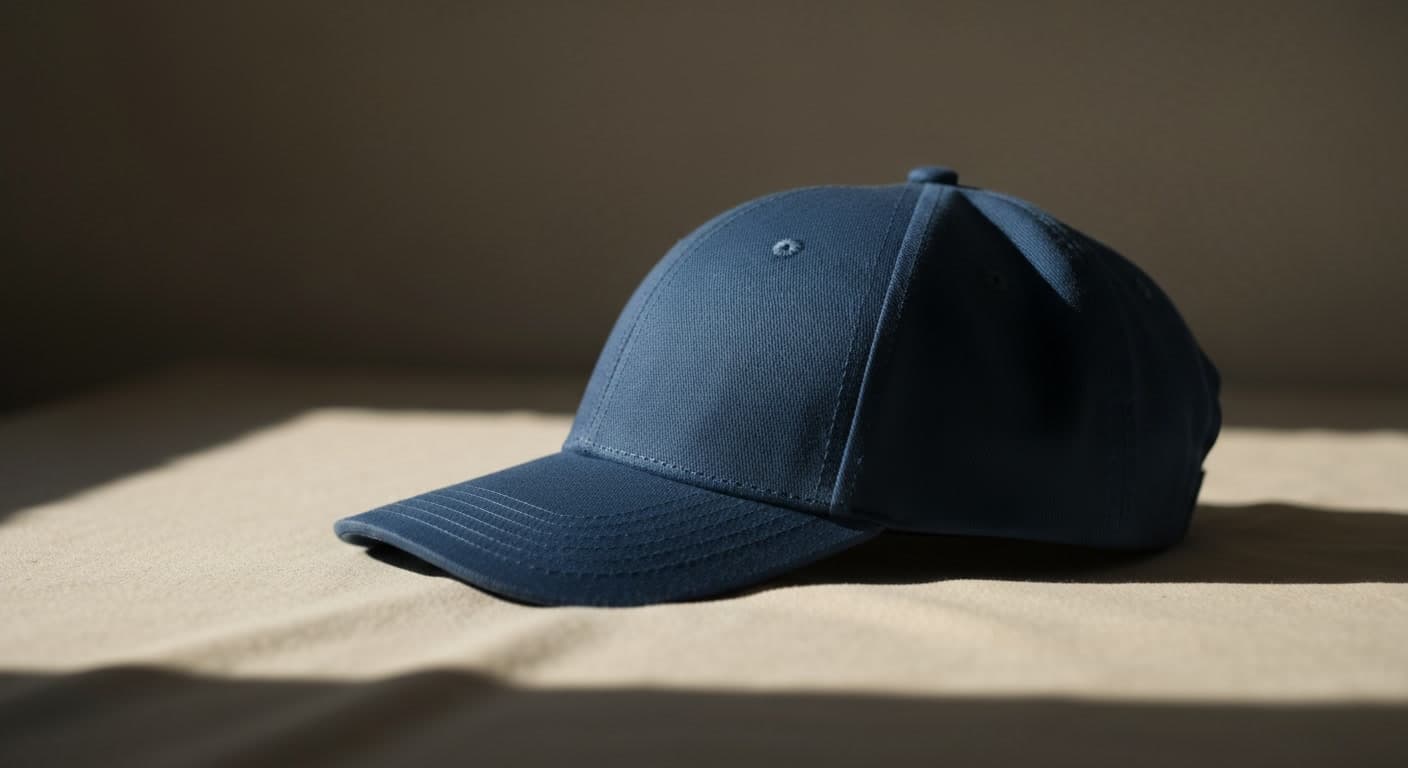
No, normal hat wearing does not cause male or female pattern baldness. Androgenetic alopecia is driven by genetics and hormones (specifically the effect of DHT on genetically sensitive follicles), and a hat does not change either of those. The persistent myth comes from confusing correlation with cause: people often start wearing hats more once they notice thinning, and then blame the hat for loss that was already underway. There is one narrow exception worth knowing about, covered below.
TL;DR
- Normal hats do not cause pattern baldness. Genetics and hormones do.
- The myth survives because hat use often increases after thinning starts (reverse causation).
- A hat is not airtight and does not meaningfully suffocate follicles.
- The one real risk is traction alopecia from extremely tight headwear worn constantly for long periods.
- If you are losing hair, the productive move is to track the pattern, not to blame your cap.
Important
This article is educational and not medical advice. If you are worried about sudden shedding, scalp symptoms, or side effects, talk to a licensed clinician.
Where does the hat myth come from?
The myth is a textbook case of reverse causation. Many people only start wearing hats regularly once they have begun to notice a receding hairline or a thinning crown, often to cover it. Years later, with more visible loss, the hat is the obvious suspect, even though the timeline is backwards: the loss prompted the hat, not the other way around. Add a few common-sense-sounding but incorrect ideas (that hats cut off airflow or circulation) and the myth becomes very sticky.
Pattern hair loss follows a predictable genetic and hormonal script. The follicles at the hairline and crown are genetically sensitive to dihydrotestosterone (DHT), which gradually miniaturizes them over years. A baseball cap has no influence on DHT, on your follicle genetics, or on the miniaturization process.
Do hats suffocate hair follicles or cut off circulation?
No. Hair follicles get oxygen and nutrients from your bloodstream beneath the skin, not from the air around the hair shaft. The visible hair shaft is already made of dead keratin, so it does not breathe. A normal hat also does not press hard enough to restrict the blood supply to the scalp. The idea that a follicle is being smothered by a cotton cap does not match how the scalp actually works.
Is there any situation where headwear can cause hair loss?
Yes, but it is specific and uncommon. Traction alopecia is hair loss caused by sustained mechanical pulling on the follicles. It is most often linked to tight hairstyles, but extremely tight headwear (or helmets and bands) worn very tightly for long stretches every day can contribute, usually at the edges where the tension is highest. The tell is loss in a pressure or tension line rather than the classic pattern of recession and crown thinning.
Two more minor, reversible points: a hat can flatten hair so it looks thinner the moment you take it off, and friction from a very tight band can irritate the scalp. Neither of these is permanent pattern baldness. The practical safeguard is simple: wear hats that fit comfortably, not ones that leave a deep red mark.
How do you tell pattern loss from a hat-related problem?
- Location: pattern loss concentrates at the hairline, temples, and crown. Traction loss follows tension lines, often the front edge or sides under a tight band.
- Symmetry: pattern loss is usually symmetrical and gradual. Traction loss can be patchy along the contact area.
- Timeline: pattern loss develops over years. If thinning tracks with a new, very tight piece of headwear, note that and ease the tension.
- Scalp signs: redness, soreness, or tiny bumps along a tight band suggest mechanical irritation worth addressing.
Decision framework
- Gradual hairline or crown thinning: consistent with pattern hair loss. Track the zones and consider a clinician conversation about treatment.
- Thinning along a tight headwear tension line: reduce the tension first, then watch the area over the next few months.
- Scalp pain, redness, or bumps: see a clinician. Mechanical irritation and other scalp conditions can mimic each other.
- Not sure which pattern you have: capture matched photos and compare windows before changing anything.
Common questions
Can wearing a hat every day make me bald faster?
Daily hat wearing does not accelerate pattern baldness. The pace of pattern loss is set by genetics and hormones. The only way headwear speeds up loss is through traction, which requires sustained tight pulling, not ordinary daily wear of a well-fitting hat.
My hair looks thinner right after I take my hat off. Is that loss?
Usually not. A hat flattens hair against the scalp, which temporarily reduces volume and can make density look worse the moment you remove it. This resets once the hair recovers its normal lift. It is one reason hat photos make poor tracking shots, and why a consistent capture routine matters more than a casual mirror glance.
Does sweat trapped under a hat damage hair?
Trapped sweat and infrequent washing can contribute to scalp irritation or flaking for some people, but that is a scalp-hygiene issue, not a cause of pattern baldness. Washing on your normal schedule and letting a damp hat dry out handles it.
Next step
If you are worried about thinning, stop blaming the hat and start measuring the pattern. Balding AI is built for consistent baseline captures and window comparisons, so you can see what is actually changing at your hairline and crown over time.
Sources: American Academy of Dermatology: do you have hair loss or hair shedding?, American Academy of Dermatology: hairstyles that pull can cause hair loss (traction alopecia), and NIAMS (NIH): hair loss overview.