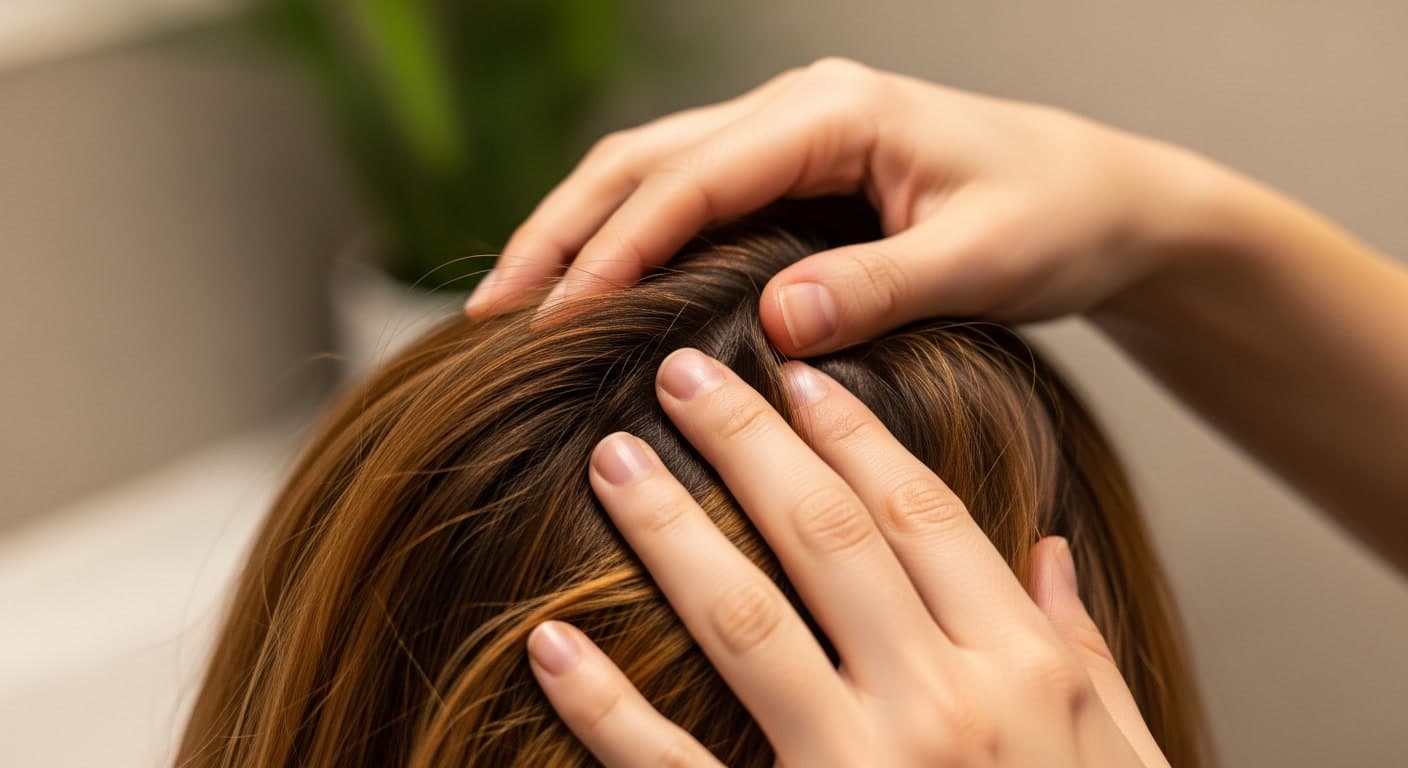
A full head of hair acts as a natural sunscreen for the scalp, blocking much of the UV radiation that would otherwise reach the skin beneath. As hair thins, that protection disappears. The scalp becomes one of the most sun-exposed surfaces on your body, yet most people never think to protect it. UV radiation adds oxidative stress to follicles, accelerates collagen breakdown in the dermis, and can trigger acute shedding episodes after a bad sunburn. If you’re losing coverage on top, your scalp is absorbing UV doses it was never meant to handle.
BaldingAI can help you track whether summer months and increased sun exposure coincide with measurable density changes. This post covers the mechanisms behind UV damage to thinning scalps, how to protect exposed areas, and how to use tracking data to separate seasonal sun effects from ongoing pattern loss.
TL;DR
- Thinning hair exposes the scalp to direct UV radiation that damages follicle stem cells in the bulge region.
- UV-induced oxidative stress disrupts the hair cycle and accelerates photoaging of the scalp dermis.
- Severe scalp sunburn can trigger telogen effluvium 2-3 months after the burn.
- Sunscreen on exposed scalp (follow the product label) or breathable hats are the two main protection strategies.
- Track density scores across seasons with BaldingAI to identify UV-correlated thinning patterns.
Important
This article is educational and not medical advice. If you are worried about sudden shedding, scalp symptoms, or side effects, talk to a licensed clinician.
Why thinning hair leaves your scalp vulnerable
Healthy terminal hair absorbs and scatters UV photons before they reach the scalp surface. Each hair shaft contains melanin granules that act as tiny UV filters. When you have a dense head of hair, the overlapping shafts create a canopy effect that shields the underlying skin from the sun.
As follicles miniaturize in androgenetic alopecia, they produce thinner, shorter, less pigmented vellus hairs. These hairs provide almost no UV filtering. The result is that a Norwood 3 or 4 scalp receives far more UV radiation on the crown and vertex than the same scalp did at Norwood 1. The scalp skin itself has not adapted to this increased exposure. It is thinner than facial skin, produces less melanin, and sits directly over the skull with minimal subcutaneous cushioning.
UV, oxidative stress, and the follicle
The hair follicle bulge region, located in the outer root sheath about midway down the follicle, houses the stem cells responsible for regenerating the hair shaft during each new growth cycle. These stem cells are critical. Without them, a follicle cannot re-enter anagen and produce a new hair.
Trüeb (2009) published a review in the International Journal of Trichology on oxidative stress in the ageing of hair. It lists ultraviolet radiation among the environmental sources of oxidative stress, notes that thinning hair leaves the scalp less protected from UV, and describes circumstantial evidence that oxidative stress contributes to hair loss. How much UV harms the follicle stem cells themselves has received far less study.
In practical terms, chronic UV exposure to an unprotected scalp may add to the stress on follicles. Over repeated cycles, this could compound the miniaturization already driven by DHT. The follicle receives damage from two directions simultaneously: hormonal signaling from within and UV stress from above.
Photoaging of the scalp
The same photoaging process that causes wrinkles, laxity, and age spots on the face operates on the scalp. UV-A penetrates deeper than UV-B and reaches the dermis, where it breaks down collagen and elastin fibers through matrix metalloproteinase (MMP) activation. On facial skin, this manifests as visible aging. On the scalp, it weakens the dermal papilla’s structural support.
The dermal papilla sits at the base of the hair follicle and supplies the growth signals and nutrients that sustain the hair shaft. It depends on a healthy collagen matrix in the surrounding dermis. When chronic UV exposure degrades that matrix, the dermal papilla loses its scaffolding. Research on skin aging has shown that chronic sun exposure degrades dermal collagen compared with sun-protected skin on the same person.
For someone already experiencing thinning, this creates a negative feedback loop. Less hair means more UV reaches the scalp. More UV degrades the dermal environment. A degraded dermal environment produces weaker follicular support. Weaker follicles produce thinner hair, which lets in even more UV.
Sunburn and acute telogen effluvium
A severe sunburn on the scalp is more than a painful inconvenience. It is an acute inflammatory event that can push a significant number of follicles from anagen into telogen simultaneously. Because the telogen resting phase lasts approximately 2-3 months before the hair sheds, the shedding shows up well after the sunburn has healed. This lag makes it easy to miss the connection.
The mechanism is the same as other forms of acute telogen effluvium: a sudden physiological stressor signals the body to shift resources away from non-essential functions like hair growth. A second-degree sunburn on the scalp triggers a cascade of inflammatory cytokines (IL-1, IL-6, TNF-alpha) that directly interfere with anagen maintenance at the follicular level. If 10-20% of your actively growing follicles enter telogen at once, the resulting shed two months later can feel alarming.
The good news: sunburn-induced telogen effluvium is typically self-resolving. The follicles are not permanently damaged in most cases. They re-enter anagen and produce new hairs over the following 3-6 months. But for someone already tracking thinning, a sun-triggered shed can look like acceleration of pattern loss. Consistent tracking with BaldingAI reveals whether the density dip is temporary or part of a longer trend.
SPF for scalp: what works
Most people never apply sunscreen to their scalp, but for anyone with visible thinning, it should be part of the routine. Mineral sunscreens containing zinc oxide or titanium dioxide are the best option for thinning areas. They sit on the skin surface and physically reflect UV radiation rather than being absorbed into the skin. Spray formulations make application through remaining hair much easier than creams or lotions.
Chemical sunscreens containing oxybenzone, avobenzone, or octinoxate are less ideal for the scalp. Some of these compounds have been flagged for potential endocrine-disrupting effects, and applying them directly to thin, vascular scalp skin increases systemic absorption compared to application on thicker body skin. For which product and SPF suit you, the product label, a pharmacist, or the AAD sunscreen guidance linked below is a better guide than a hair blog.
Reapplication matters. Sunscreen wears off with time in the sun and faster if you sweat, so follow the reapplication directions on the label, especially if you are exercising outdoors. The scalp sweats heavily during physical activity, and sweat dilutes the protective layer faster than on other body sites.
Hats vs sunscreen
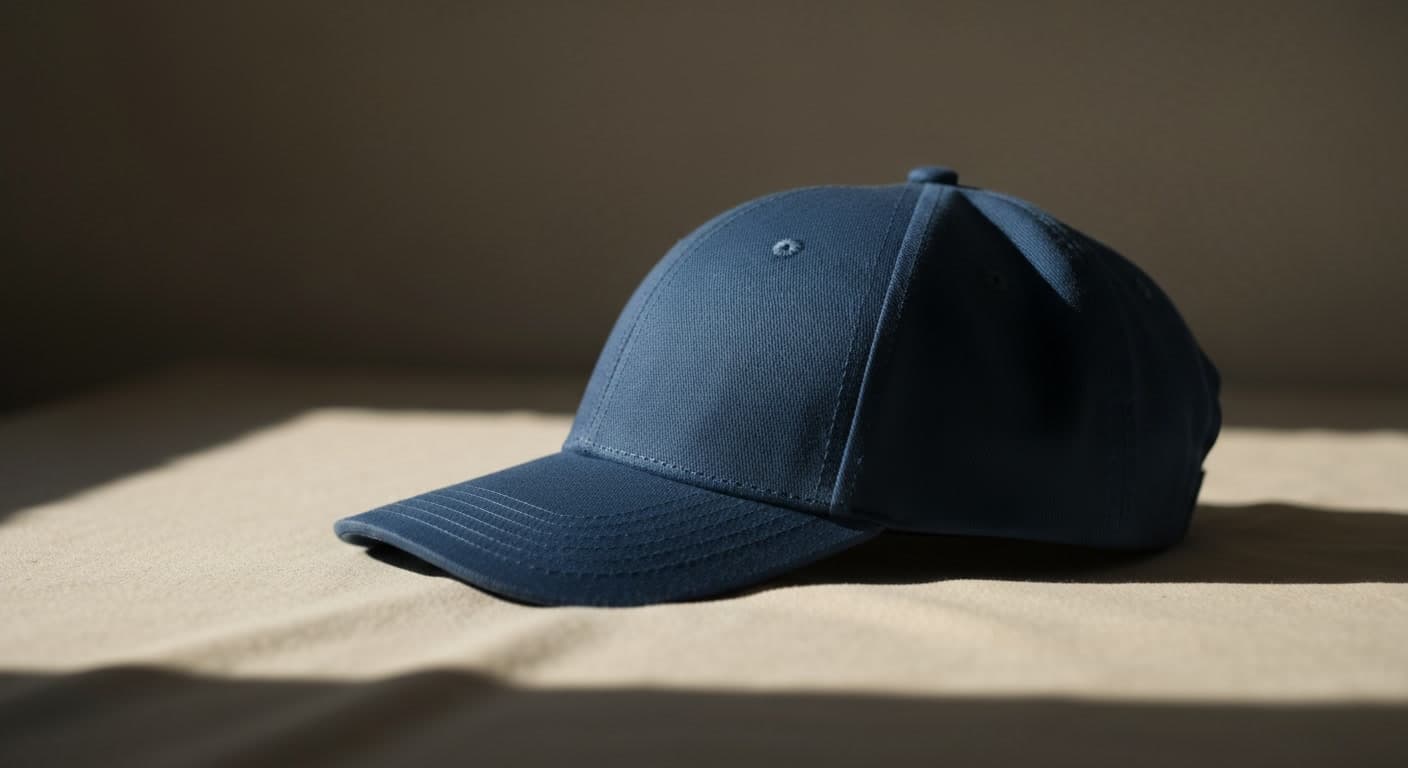
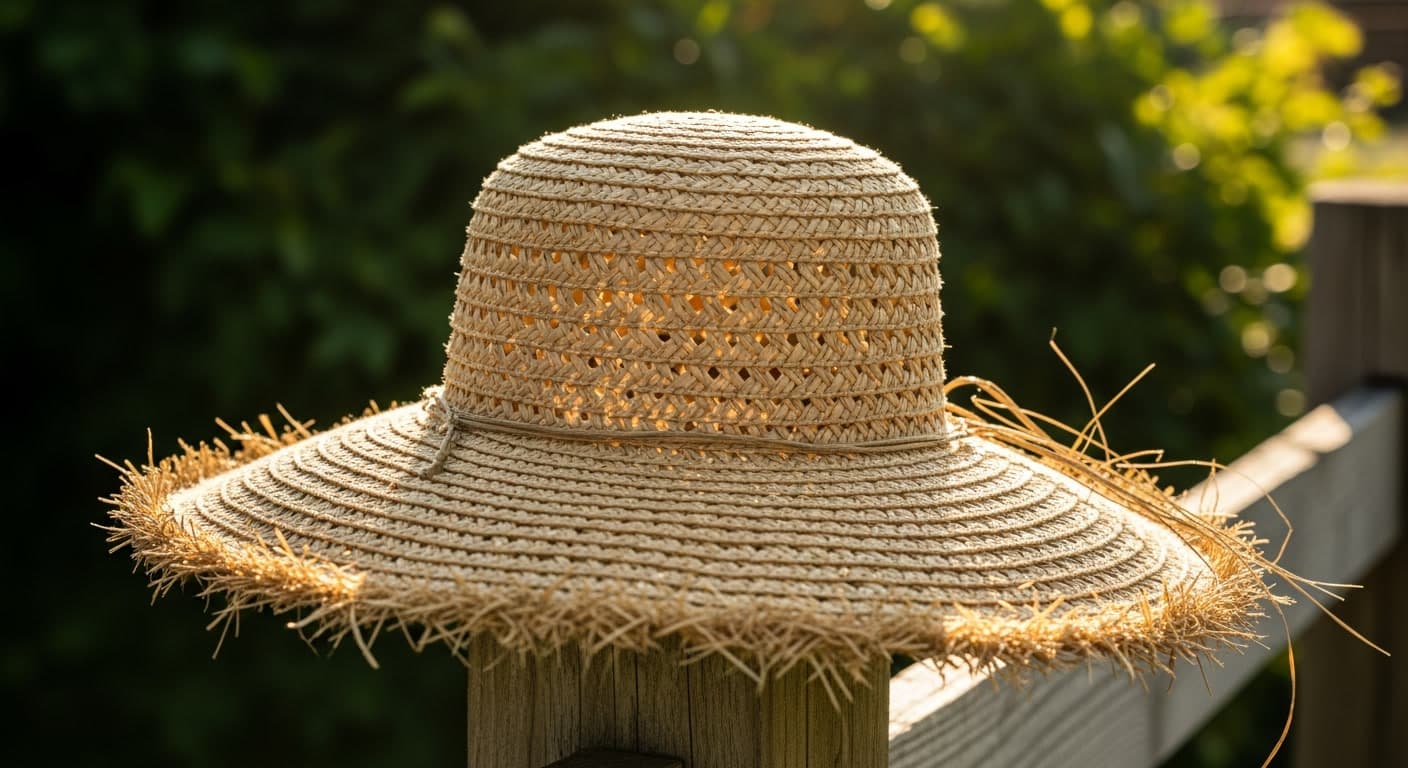
Hats provide a physical UV barrier that does not need reapplication, does not wash off with sweat, and does not leave a white cast on your hair. A wide-brimmed hat with UPF 50+ fabric blocks over 98% of UV radiation. For pure sun protection, hats are more reliable than sunscreen.
The common concern is that hats cause hair loss. There is no good evidence that ordinary hat-wearing causes pattern hair loss. The theoretical risk of traction from very tight hats is real but requires extreme, sustained compression that most casual hat-wearers never experience.
The one legitimate downside of hats is heat and moisture trapping. On hot days, a non-breathable hat creates a warm, humid environment on the scalp that can exacerbate seborrheic dermatitis or scalp microbiome imbalance in susceptible individuals. Choose breathable fabrics like cotton, linen, or moisture-wicking synthetics. Mesh-panel caps work well for outdoor exercise.
Tracking UV exposure and density changes
One of the hardest things about sun-related hair changes is the delay. UV damage in June produces shedding in August or September. Without consistent data, most people blame the wrong cause or assume their treatment stopped working. This is where structured tracking pays off.
- Log sun exposure: Note weeks with significant outdoor time: beach vacations, outdoor work, summer sports seasons. A simple high/medium/low rating per week is enough.
- Watch the 2-3 month lag: Heavy sun exposure in early summer often produces a density dip in early fall. Compare your September-October BaldingAI scores to your June-July baseline.
- Separate seasonal from pattern: Seasonal shedding from UV exposure or natural autumn telogen shifts is temporary. Density should recover within 3-4 months. Pattern loss shows a sustained downward trend with no recovery. Your BaldingAI timeline makes this distinction visible.
- Control for other variables: If you changed treatments, adjusted diet, or started exercising more over the summer, those factors overlap with UV exposure. Log all changes so you can isolate which variable is driving any density shift.
Year-over-year comparisons are especially powerful. If your density dips every September and recovers by December, that seasonal pattern suggests environmental factors like UV exposure or the natural autumn telogen shed rather than progressive miniaturization.
A practical sun protection protocol
You do not need a complicated system. The goal is to reduce cumulative UV exposure to thinning areas without disrupting your daily routine, and to log what you did. Here is what that can look like:
- Sunny months: Protect exposed scalp areas when you will be outside, following the sunscreen label. The part line, crown, and temples are the areas thinning tends to expose first.
- Extended outdoor time: A hat covers the scalp without reapplication. For any exposed edges, reapply sunscreen as the label directs, and log the day as a high-exposure day.
- Post-exposure: If you get sunburned on the scalp, care for it as you would any sunburn, and ask a pharmacist or doctor if it blisters or is severe. Note the date in your tracking log and watch for a shedding increase around 8-12 weeks later.
- Year-round: UV exposure is lower in winter but not zero, especially at high altitude or near reflective surfaces like snow and water. If your scalp is significantly exposed, a hat during winter outdoor activities is still worth it.
The bottom line
Sun exposure is an underappreciated factor in scalp health for anyone experiencing thinning. UV adds oxidative stress to follicles. UV-A degrades the dermal collagen that supports the dermal papilla. Severe sunburn can trigger acute telogen effluvium with a 2-3 month delay. None of these effects are visible in the moment they occur, which is exactly why tracking matters.
Protecting a thinning scalp is straightforward: mineral sunscreen, breathable hats, and awareness that the delay between exposure and shedding means you need data, not guesswork, to understand what your hair is responding to.
Sources: Trüeb 2009, International Journal of Trichology (oxidative stress in ageing of hair), AAD: sunscreen FAQs.