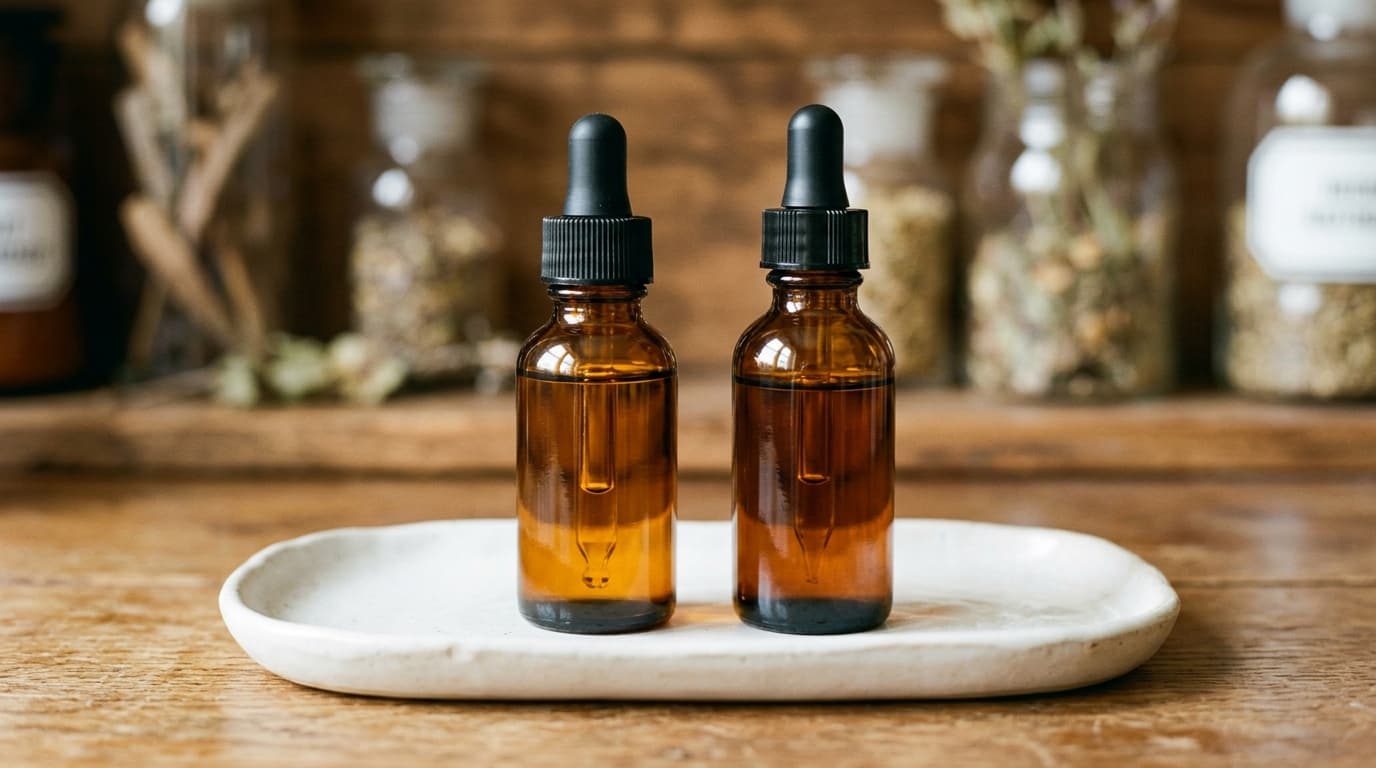


You are switching minoxidil brands, and it should be a simple swap - same active ingredient, same concentration, different bottle. But the reality is more complicated. Different brands use different vehicle formulations, which affect absorption, drying time, greasiness, and scalp irritation. Some use propylene glycol, others use glycerin-based solutions, and the growing market of foam formulations behaves entirely differently from liquid. These differences can change how your scalp responds and how your hair looks during the transition period.
The tracking challenge is that brand switches often coincide with other changes - a new pharmacy, different application timing, changes in routine compliance because the new product is easier or harder to use. Without a structured protocol, any change you notice (positive or negative) could be attributed to the brand, the vehicle, the compliance shift, or simple coincidence.
TL;DR
- Lock one brand change and keep everything else stable.
- Track weekly photos and adherence exactly the same way.
- Use one review window before judging impact.
- Avoid stacking dosage or schedule changes.
Important
This article is educational and not medical advice. If you are worried about sudden shedding, scalp symptoms, or side effects, talk to a licensed clinician.
Why brand switches matter more than you think
Minoxidil is minoxidil, but the delivery vehicle changes the user experience significantly. Propylene glycol-based liquids tend to be greasier and more irritating for sensitive scalps but may have better absorption. Alcohol-heavy formulations dry faster but can cause scalp dryness and flaking. Foam formulations are cosmetically superior but some users find they deliver less product to the scalp because foam sits on hair rather than reaching the skin.
From a tracking perspective, a vehicle change can alter scalp appearance independently of any efficacy difference. If the new formulation causes more flaking, your part-line photos may show apparent thinning that is actually just scalp condition change. If the new brand causes less greasiness, your photos may show apparent improvement because the hair is not weighed down as much.
The brand switch protocol
- Pre-switch (Week -2 to 0): Take two weeks of baseline photos on your current brand. Ensure photo quality is high and setup is consistent. Log your current adherence rate, application timing, and any scalp symptoms.
- Switch day: Record the exact date, old brand name and formulation type, new brand name and formulation type. Change nothing else.
- Weeks 1-2: Note any immediate differences: drying time, scalp feel, ease of application, irritation. These are vehicle effects, not efficacy differences.
- Weeks 3-6: Continue photo protocol. Compare to pre-switch baseline. Most vehicle-related appearance changes stabilize by week 3-4.
- Week 6-8 (evaluation): Compare current photos to pre-switch baseline. Any density changes at this point are worth noting. Vehicle effects on scalp condition should have normalized.
What to log each week during the switch
- Adherence rate: Did the new brand change your compliance? Some people skip applications because of worse vehicle experience.
- Application method: Same amount, same zones, same timing? Or did something shift?
- Scalp symptoms: Itch, redness, flaking, dryness - rate each 0-5.
- Hair feel: Greasy, dry, normal, different from previous brand?
- Photo quality notes: Any setup drift this week?
Common mistakes during brand switches
- Switching brand and frequency simultaneously: Going from once-daily liquid to twice-daily foam is two changes. Switch the brand first, maintain frequency, then adjust frequency after completing one evaluation window.
- Changing application technique: Every brand has its own application feel, but try to apply to the same zones with the same coverage pattern.
- Panic-reverting after one week: Scalp may need 2-3 weeks to adjust to a new vehicle. Mild irritation or flaking in week one does not mean the product is wrong.
- Attributing seasonal changes to the brand: If you switch brands in September and see shedding in October, that may be seasonal effluvium rather than brand-related.
When to switch back
If the new brand causes persistent scalp irritation that does not improve after 3-4 weeks, switch back. Scalp irritation can drive inflammation-mediated shedding and is counterproductive. If you notice a meaningful compliance drop because the new product is harder to use or has an unpleasant texture, the best product is the one you actually use consistently. Effective hair loss treatment at 90 percent adherence beats a theoretically superior product at 60 percent adherence.
Related reading
Sources: MedlinePlus: topical minoxidil and Mayo Clinic: minoxidil reference.