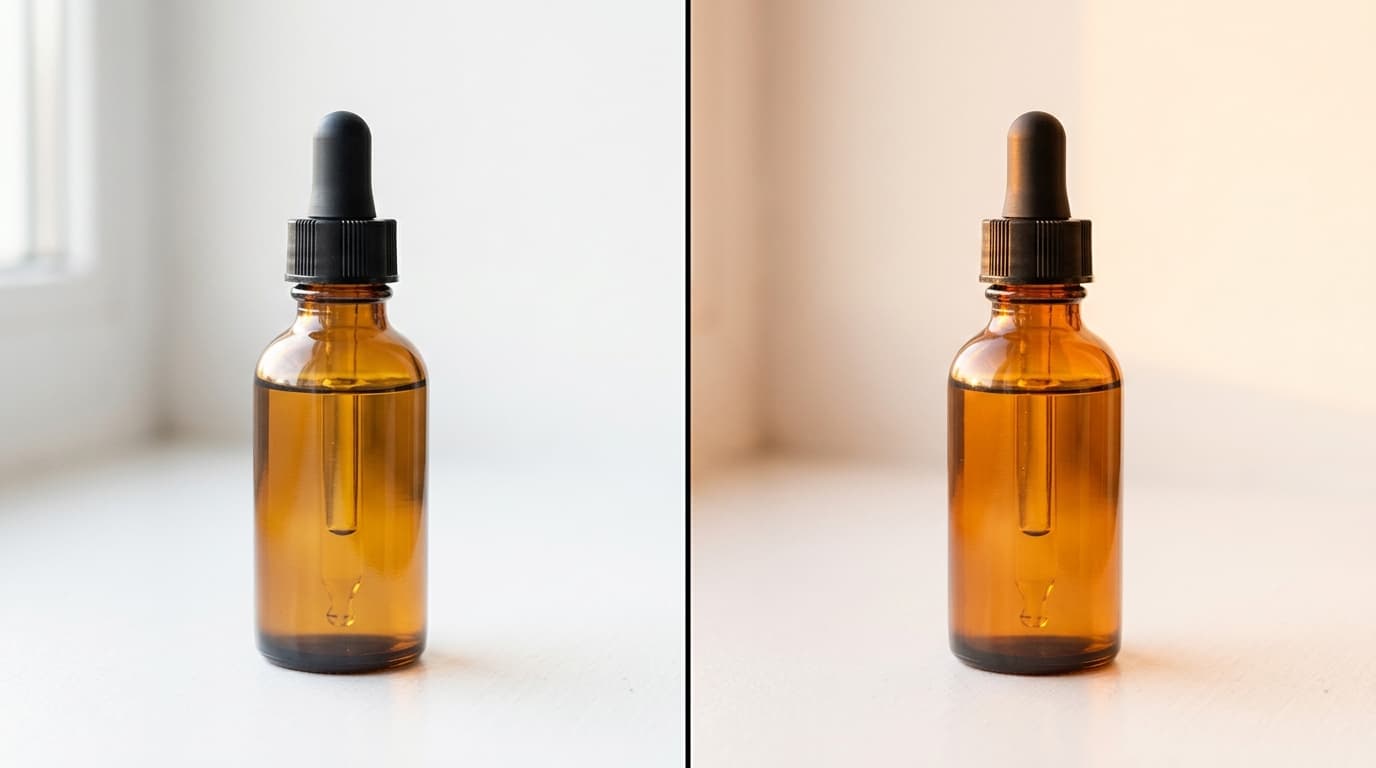


Most confusion around Comparing once-daily versus twice-daily minoxidil routines traces back to comparing photos taken under different conditions. A 6-inch camera distance shift can swing perceived density by 15-20%. Different overhead lighting can change apparent coverage by 30-40%. For users trying to balance adherence, tolerance, and interpretability, the protocol below eliminates those artifacts so the remaining signal - if any - reflects what is actually happening.
TL;DR
- Slow your interpretation to match the speed of the signal.
- Match conditions before comparing any two sessions.
- Confounders explain most surprising swings - check them first.
- One difficult week does not override an 8-week pattern.
Important
This article is educational and not medical advice. If you are worried about sudden shedding, scalp symptoms, or side effects, talk to a licensed clinician.
Why does comparing once-daily versus twice-daily minoxidil routines get misread so often?
Comparing once-daily versus twice-daily minoxidil routines is misread when people compare a high-noise week against a memory instead of a matched baseline. Common confounders for this topic include testing frequency and concentration at the same time. and no baseline adherence data before switching cadence.. If you react to every swing, you keep rewriting your routine and never learn what is truly moving the trend. The protocol below prioritizes controlling these confounders before interpreting change.
What baseline protocol should you follow before interpreting results?
Your baseline should be specific enough that another person could recreate it. Use the same room, lighting source, camera lens, distance, and hairstyle every session. If any capture element changes, mark that session as low confidence rather than forcing interpretation. Lock one frequency for a full window before testing another so adherence and side effects can be compared fairly.Consistent setup is not busywork. It is what keeps your trend from getting polluted by artifacts.
- Capture the same zones in the same order each week (front, temples, crown, part line).
- Take notes immediately after capture to preserve context memory.
- Score setup confidence for each session before you score outcomes.
- Delay high-stakes decisions if two or more sessions are low confidence.
What signals should you log every week?
A useful log is short enough to keep but rich enough to explain trend direction. If your log cannot answer "what changed" and "when did it change," it is not decision-grade. Keep entries structured and timestamped. That makes it easier to compare two windows and prevents hindsight editing.
- Frequency adherence consistency and missed applications.
- Scalp tolerance score over time.
- Photo trend quality by zone in matched captures.
- Routine burden score (how sustainable the schedule feels).
- Decision confidence at each checkpoint.
Which confounders should you rule out before changing your plan?
Confounders often explain apparent deterioration. If you skip this step, you may escalate treatment when the real issue is capture drift, adherence instability, or temporary physiology. Build a short confounder review into your weekly routine so decision quality does not depend on mood.
- Testing frequency and concentration at the same time.
- No baseline adherence data before switching cadence.
- Inconsistent capture schedule after frequency change.
- Changing wash routine and styling products in parallel.
- Comparing short windows with unequal lengths.
How should you use 4-week and 8-week decision windows?
Treat windows like checkpoints, not verdicts. A 4-week review catches early directional hints. An 8-week review confirms whether the same direction persists after noise is averaged out. Write your thresholds before the window starts so you are not moving goalposts after seeing one difficult week.
- Run equal-length windows for once and twice daily comparisons.
- Prioritize the cadence you can sustain with high adherence.
- If tolerance drops, discuss alternatives before abandoning tracking.
- Carry forward the same photo protocol across both windows.
When should you escalate to a clinician?
Tracking helps you prioritize urgency. It should never replace medical assessment when risk signals appear. If these patterns show up, export your log and photos, then discuss the timeline with a licensed clinician.
- Persistent intolerance despite protocol adjustments.
- Severe scalp or systemic symptoms.
- Worsening trend across both tested cadences.
- High uncertainty after two complete comparison windows.
What common mistakes create false alarms?
- Switching cadence every few days and losing interpretability.
- Judging efficacy without adherence context.
- Dropping logs once one cadence feels inconvenient.
- Overfitting one good or bad week.
Track-first next step
Compare equal windows with strict adherence logs before deciding your long-term cadence Start with the baseline flow, keep one variable at a time, and review with your clinician when your thresholds say it is time.
Related reading
- Dutasteride side effects tracking
- Ketoconazole frequency tracking
- Minoxidil irritation vs allergy
- Minoxidil timeline
Sources: MedlinePlus: topical minoxidil | Mayo Clinic: minoxidil dosing reference.