Before-and-after photos should be the most powerful tool in your hair tracking toolkit. In practice, they are the most commonly misused. The vast majority of before-and-after comparisons circulating on forums and social media are unreliable because the two photos were taken under different conditions, and the viewer has no way to know that. When you compare a photo taken in dim bathroom light to one taken in bright daylight, you are not comparing your hair - you are comparing two lighting setups.
A bias-resistant comparison protocol eliminates the variables that corrupt visual assessments so that any difference you see in the photos reflects genuine biological change. This matters for tracking treatment progress, evaluating a new product, and building a case for your dermatologist.
TL;DR
- Match lighting, angle, distance, and hair state before comparing.
- Compare the same zones and same crop boundaries.
- Use weekly logs and compare several weeks or more under the same conditions.
- Treat one dramatic photo as noise until repeated.
Important
This article is educational and not medical advice. If you are worried about sudden shedding, scalp symptoms, or side effects, talk to a licensed clinician.
The five variables that corrupt comparisons
Almost every misleading before-and-after comparison can be traced to one or more of these five variables changing between the two shots:
- Lighting: The biggest offender. Overhead light makes hair look thinner; front-facing soft light makes it look thicker. A single change in light source can make density look very different without a single hair changing.
- Camera angle: A 10-degree tilt can reveal or hide scalp. Even subconsciously tilting your head differently between sessions corrupts the comparison.
- Camera distance: Closer shots show more detail and scalp. Farther shots compress depth and hide gaps. Both are true representations but they produce wildly different impressions.
- Hair state: Wet vs dry, freshly washed vs day-three oil, styled vs natural, short vs grown out. Each of these changes how hair interacts with light and how much scalp is visible.
- Frame and crop: Comparing a close-up of the hairline to a wider shot that includes the full forehead creates a false sense of change because the reference landmarks shift.
Building a comparison-ready capture setup
The goal is to lock every variable except the one you are measuring: hair density over time. Here is how to do it:
- Choose one room with one artificial light source. No windows, or blinds fully closed.
- Mark your standing position with tape on the floor. This controls distance to the light.
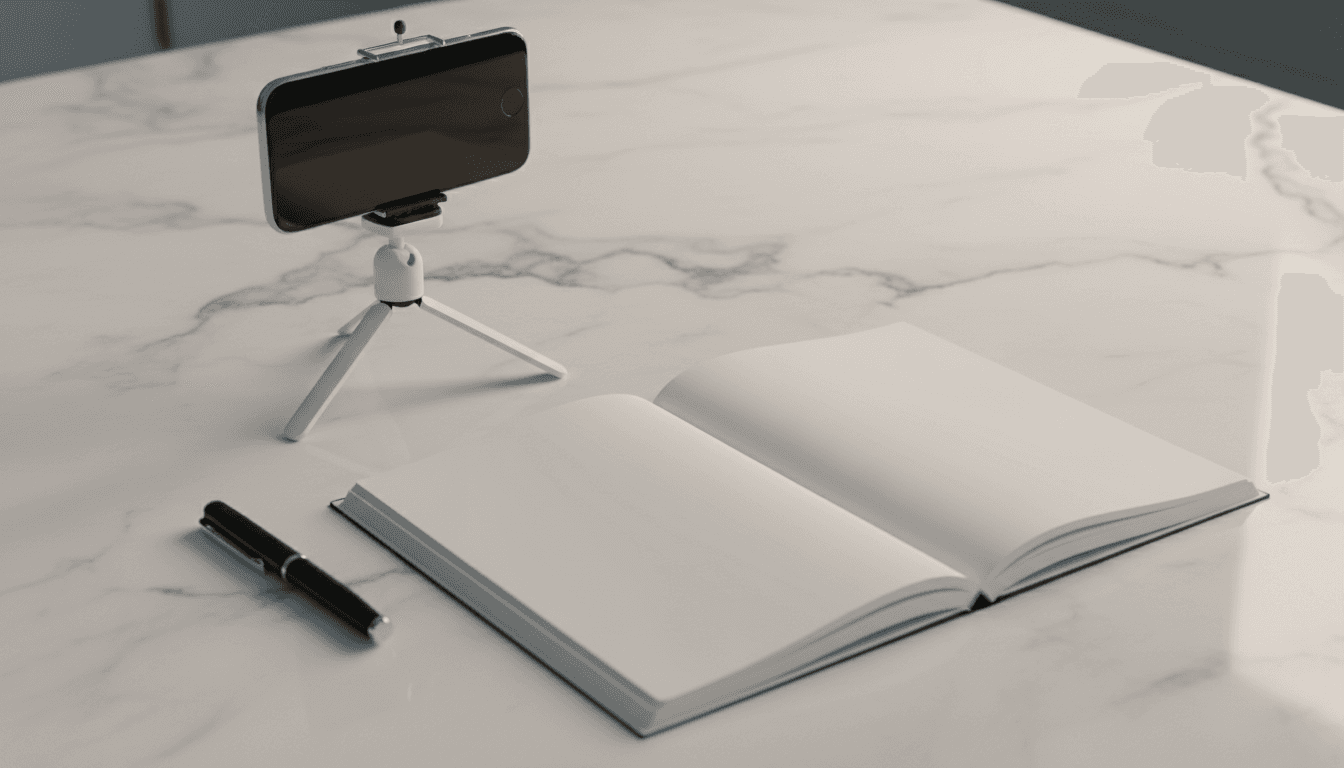
- Use the rear camera of your phone. Hold it at the same height and angle each session using a landmark on the wall as a guide.
- Always capture in the same hair state: fully dry, no product, natural fall.
- Capture the same zones in the same order: hairline front, right temple, left temple, crown from above, part line.
Take a reference photo set on your first session and save it in a labeled folder. This is your anchor. Every future comparison should match these reference frames as closely as possible.
How to perform an actual comparison
When it is time to compare, do not hold two photos side by side and ask whether things look better or worse. That is too subjective and prone to confirmation bias. Instead, use this structured approach:
- Same zone, same crop: Open the two photos at the same zoom level. Crop to identical boundaries using a landmark like your ear top or nose bridge as a guide.
- 4-week minimum gap: Do not compare last week to this week. Biological hair change is invisible on weekly timescales. Compare photos that are at least 4 weeks apart.
- Check the metadata: Before interpreting any difference, verify that both photos used the same lighting, were taken in the same room, and the hair state was the same. If any variable changed, the comparison is unreliable.
- Look for specific changes: Instead of asking whether it looks better or worse, look for concrete things: is the scalp more visible along the part line? Are the temple corners at the same position? Is the hairline contour the same? Specific questions produce more accurate assessments than general impressions.
The single-photo trap
One dramatic photo does not constitute evidence. If you take ten photos in a row under identical conditions, at least one will look worse than the rest and at least one will look better. This is normal statistical variation from micro-differences in angle, hair fall, and camera focus. If you cherry-pick the worst photo and compare it to the best from last month, you will see alarming loss that does not exist.
The fix is to take 3-5 photos each session, pick the one that best matches your reference frame, and use only that one for comparison. If a change is real, it will be visible in your carefully matched representative photo, not just in the worst-case outlier.
Which camera, and at what distance
Front-facing selfie cameras use a wide-angle lens, typically around a 24-28mm equivalent. Wide angles enlarge whatever is closest to the lens and push the edges away, so a forehead selfie at arm's length bulges the centre forward while the temples curve back. The result reads as a higher hairline and deeper temples than you actually have.
Sensor size compounds it. The rear main lens has a larger sensor, so fine baby hairs at the hairline are resolved rather than blurred into noise. A selfie camera tends to erase exactly the hairs that tell you whether a hairline is holding.
Distance matters as much as the lens. A selfie at arm's length is roughly 40-60cm; a tripod or rear-camera shot is more like 60-90cm. Different distances change the perspective ratio, which changes how much forehead versus hair fills the frame.
- Use the rear main lens for every session. Not ultrawide, not telephoto: those are different focal lengths and are not comparable to each other.
- Lock one distance with floor tape, a phone mount, or a wall hook. The specific distance matters far less than never changing it.
- Never mix cameras mid-series. A rear camera at 60cm every time produces trackable data. Alternating a 40cm selfie with an 80cm rear shot produces noise that hides real change.
If you have already mixed cameras, do not try to reconcile the two sets. Treat the switch as a new baseline: start a fresh reference set with the rear camera and compare forward from there.
Crown photos need their own setup
The crown is where most people first notice change and where photos are least reliable, because you cannot see what you are capturing. Mirror shots are the worst option: the angle shifts every session and you have no way to verify it.
- Shoot top-down, not at an angle. Hold the phone flat above your head, lens parallel to the floor. A phone mount or a second person makes this repeatable; a mirror does not.
- Use a fixed head position. Chin level, looking straight ahead. Tilting your head forward exposes more scalp and reads as loss that is not there.
- Capture a primary and a backup angle. One directly overhead, one slightly behind. If the primary is unusable that week, the backup keeps the series intact.
- Part the hair the same way, or not at all. A part line is a strong landmark, but only if it is in the same place every time.
Haircuts, travel, and the confounders that fake a change
Two events reliably produce false alarms, and both are avoidable with logging rather than technique.
Haircuts. Shorter hair lies flatter and covers less scalp, so density almost always looks worse immediately after a cut and better as it grows out. That is optics, not biology. Log every haircut with its date and approximate length, and apply a like-for-like rule: compare pre-cut photos to pre-cut photos, and post-cut to post-cut. Capturing a reference pair on cut day, before and after, gives you a conversion point between the two series. Do not make any treatment decision in the first two weeks after a significant cut or style change.
Travel. Holiday photos look worse for predictable reasons: harsh overhead sun creates hard shadows through the hair, salt water and chlorine change how hair clumps, and unfamiliar bathroom lighting is usually top-down and unflattering. Wet or sweaty hair separates and exposes scalp. None of that is thinning.
If you notice something alarming while away, the correct response is to note the date and wait. Either skip capture while travelling, or accept those photos as a separate, non-comparable set. When you get home, re-anchor: run one normal session in your usual room, with your usual light and distance, on dry unstyled hair, and compare that to your reference set. Nine times out of ten the alarm disappears.
Photograph symptoms, not just density
Density photos answer one question. Scalp condition answers a different one, and it is often the more actionable of the two: visible inflammation, persistent redness, scaling, or flaking is worth raising with a clinician regardless of what your density trend is doing.
- Get closer than you would for density. Move in until the affected patch fills most of the frame, and tap to focus on the scalp rather than the hair above it.
- Part the hair to expose skin. Redness and scaling read as nothing at all through a layer of hair.
- Keep a symptom note beside the photo: location, whether it itches, whether it is flaking, and when it started.
- Use the same light as your density sessions so colour stays comparable between weeks. Redness is a colour judgement, and colour is the first thing lighting distorts.
Spreading rashes, painful or weeping areas, and sudden patchy loss are reasons to see a clinician rather than to keep photographing.
When to trust a comparison result
A comparison becomes trustworthy when the same directional change appears across multiple windows. If an early comparison shows slight widening at the part line, a later comparison confirms more widening in the same zone, and the next one shows the trend continuing, that is real signal. If an early comparison shows widening but a later one shows improvement, the initial widening was likely noise.
The threshold for action should be a consistent directional trend visible across three or more comparison windows. Anything less is not yet actionable. This patience is what separates useful tracking from anxiety-driven monitoring.
Common comparison mistakes
- Comparing across haircut lengths: Shorter hair always shows more scalp. Note haircut dates and only compare within similar length windows.
- Using forum or social media photos as your standard: Those photos were taken under unknown, uncontrolled conditions. Your controlled setup photos are more reliable than any before-and-after you see online.
- Sharing photos for crowd assessment: Other people cannot see the subtle density changes you are tracking. What looks like a major difference to you is invisible at the resolution and compression of shared photos.
- Comparing morning vs evening shots: Scalp oil, gravity effects on hair direction, and fatigue-related posture changes all accumulate through the day. Always capture at the same time.
Related reading
Sources: Mayo Clinic: hair loss diagnosis and treatment and AAD: hair loss causes.