One of the fastest ways to fail at hair tracking is burnout. If you obsessively photograph your hairline every morning, you'll start seeing ghosts in the mirror. But if you only track once a year, you won't have the signal to know if your routine is actually working. The “Goldilocks” cadence is key.
TL;DR
- The 7-Day Sweet Spot: Weekly photos are frequent enough to build data but infrequent enough to avoid obsession.
- Biological Lag: Hair grows at 0.3mm to 0.4mm per day. Daily photos are physically incapable of showing growth.
- Lighting Lock: Standardizing your lighting is more important than the number of photos. Change the light, and you change the diagnosis.
- Quarterly Reviews: Only compare Photo A to Photo B if they are at least 12 weeks apart.
Important
This article is educational and not medical advice. If you are worried about sudden shedding, scalp symptoms, or side effects, talk to a licensed clinician.
The Biological Case for Patience
Human hair grows at an average rate of 1cm per month. This means in a single week, your hair has progressed less than 3mm. If you take a photo every day, your brain will struggle to distinguish between growth and a slightly different hair tilt.
"Tracking too often creates 'Visual Noise.' You end up analyzing the way your hair was combed that day rather than the actual health of the follicles. A weekly cadence provides the 'distance' required for objective observation."
The Progress Cadence Matrix
| Your Current Goal | Recommended Cadence | Why? |
|---|---|---|
| Starting a New Treatment | Weekly Scan | To catch "Dread Sheds" early and build a high-resolution trend line. |
| Maintenance Phase | Bi-Weekly | Once you are stable, you only need enough data to confirm no recession is occurring. |
| Recovery (e.g. Stress) | Every 10 Days | Balances the need for proof of regrowth with the mental health of not obsessing. |
The “Lighting Lock” Protocol
To make a weekly photo scientifically valid, you must eliminate variables. We recommend the "Doorframe Method":
- Location: Stand in the same spot, ideally in a bathroom with overhead lighting.
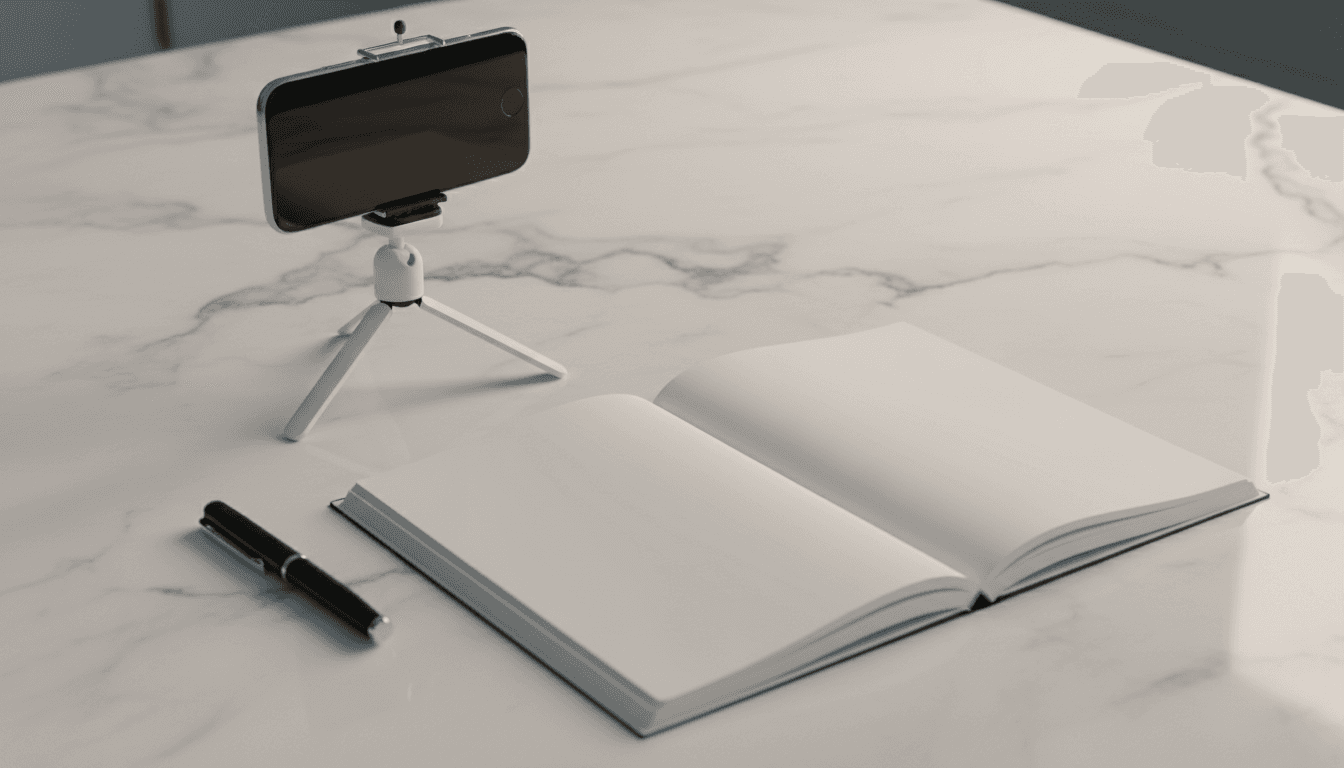
- Distance: Use your phone’s arm-length or a tripod. Balding AI’s guided scan forces you into the same distance every time.
- Time of Day: If you use natural light, always take photos at the same hour. Morning and afternoon light can noticeably change how dense your hair looks.
- Hair State: Always track when hair is either 100% dry or 100% wet. Mixing them will break your trend line.
Psychological Guardrails
"Tracking Dysmorphia" is real. If you find yourself checking the mirror more than once an hour, or zooming into photos for more than 10 minutes, take a 2-week break from the camera.
Remember: Hair loss is slow, and hair recovery is slower. Data should serve your peace of mind, not destroy it.
Conclusion: Consistency is the Only Metric
We built Balding AI because we saw too many men quit effective treatments because of "bad photo days." By sticking to a weekly, standardized scan, you move from emotional analysis to objective tracking. In 12 months, you won't care about the 52 individual Saturdays - you'll care about the undeniable proof of maintenance and regrowth.